
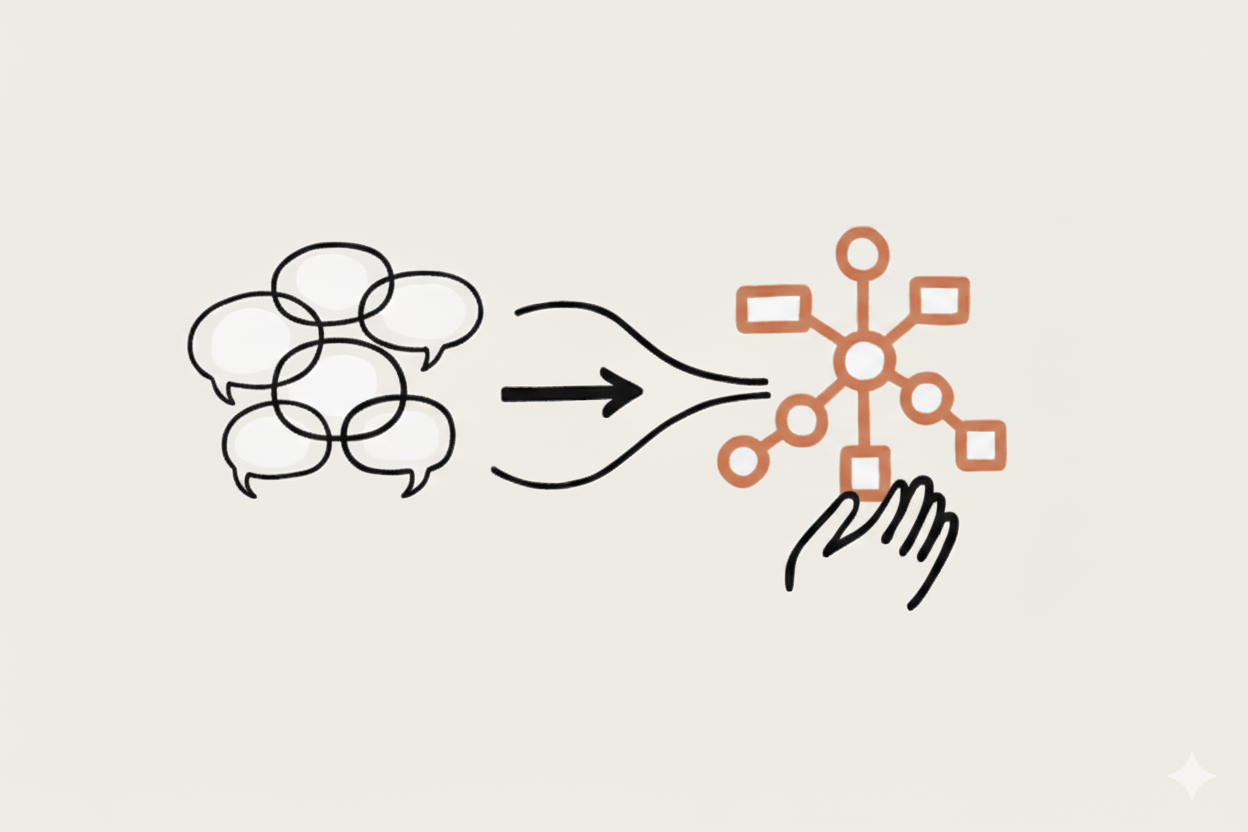
How user-centred design transformed insurance claims management while meeting SRA regulatory requirements
The Challenge
Admiral Law, operating under Lyons Davidson Solicitors, approached Core Digital Agency with a clear problem: their insurance claims process relied heavily on phone calls, postal mail, and in-person meetings, creating inefficiencies for both clients and case handlers.
Clients had limited visibility of their case status, leading to frequent enquiries and frustration. Case handlers spent significant time responding to routine questions and chasing clients for required information. The system worked, but it wasn’t scalable.
As an SRA-regulated legal services provider, they needed a digital solution that would enable clients to track case progress, communicate with case handlers, submit documentation, and manage sensitive financial information—all while meeting strict regulatory and security requirements.
The project spanned 2016-2017, and my role was to lead the complete UX design lifecycle for this regulated platform.
Understanding the User Context
Before designing anything, I needed to understand what clients were experiencing and what case handlers needed.
I led initial discovery sessions with Admiral Law’s case handlers, operations team, compliance officers, and client services staff. These workshops helped identify the most common client queries, pain points in the existing process, and regulatory requirements that would shape the platform’s functionality.
Research with Real Clients
I conducted interviews with existing clients who had recently completed claims, as well as clients currently in the process.
The research revealed anxiety about case progress and uncertainty about what was required at each stage. Clients felt frustrated by the lack of visibility into where their case stood and when they’d hear back about next steps.
Case handlers reported spending significant time responding to status enquiries that could be answered by a simple dashboard, and chasing clients for information that could be collected through a structured form.
These insights shaped the entire user research approach and established clear design principles: transparency, clarity, and proactive guidance.
My Role and Approach
As lead UX designer, I was responsible for the complete user experience from initial strategy through to launch and optimisation.
This was an end-to-end engagement covering:
- Strategic UX planning and user research
- Information architecture and journey design
- Complete interface design and prototyping
- Design system creation for the platform
- Content design with regulatory compliance
- Testing and validation throughout development
Working on regulated legal services required constant collaboration with compliance teams to ensure every design decision met SRA requirements while maintaining user focus.
Balancing Business and User Goals
I developed a strategic roadmap that aligned Admiral Law’s objectives with client needs.
Admiral Law needed to:
- Reduce case handler workload
- Improve client satisfaction
- Accelerate case progression
- Scale operations without proportional staff increases
Clients needed to:
- Understand their case status clearly
- Know what was required of them at each stage
- Submit information and documentation easily
- Communicate with case handlers conveniently
- Feel confident their sensitive information was secure
The strategy prioritised features that would deliver immediate value while establishing a foundation for future enhancements.
Key Strategic Decisions
Several principles guided all subsequent design work:
Dashboard-First Approach
Provide at-a-glance case overview answering the most common client questions immediately.
Progressive Disclosure
Don’t overwhelm clients with complexity. Show what they need when they need it.
Action-Based Navigation
Highlight what clients need to do, not just what information exists.
Milestone Visualisation
Set clear expectations about case progression and timelines.
Secure Messaging
Reduce phone and email volume while maintaining personal connection with case handlers.
Services Delivered
Discovery and Research
The project began with comprehensive discovery workshops to understand the complete ecosystem of needs and constraints.
Working sessions with different teams revealed valuable insights:
- Case handlers knew exactly which questions came up repeatedly
- Operations team understood where bottlenecks occurred
- Compliance officers identified regulatory requirements that would shape functionality
- Client services staff could explain what caused client anxiety and frustration
This cross-functional discovery ensured we designed for the complete system, not just the client-facing interface.
Strategic UX Planning
I developed detailed user journeys covering every touchpoint from initial portal access through to case completion.
Key journeys included:
Authentication and Access
Secure login with session management meeting legal services requirements.
Dashboard and Case Overview
At-a-glance action centre highlighting urgent tasks, case milestones with progress visualisation, and direct access to case handler communication.
Document Management
Document list with read/unread status, multi-step document signing with legal validity, and comprehensive audit trails.
Appointment Booking
Location-based clinic selection, calendar view with availability across multiple sites, and booking confirmation with calendar integration.
Communication Tools
Threaded messaging with case handlers, message history with status indicators, and character limits with response expectations to manage client expectations.
Financial Loss Reporting
Structured multi-page form for different loss types, conditional questions based on responses, evidence upload prompts with guidance, and progress tracking across 11 loss categories.
Design System Creation
I built a comprehensive design system specifically for the Admiral Law portal, establishing the visual language and interaction patterns for complex legal processes.
The system included:
Visual Language
Professional blue colour scheme reinforcing trust and security, with green accents for positive actions and confirmations.
Interaction Patterns
Consistent patterns for complex processes like document signing, financial data collection, and appointment booking.
Component Libraries
Reusable components ensuring consistency across all portal features while enabling rapid development.
Responsive Patterns
Mobile-optimised layouts recognising that clients would check progress on the go.
Information Hierarchy
Clear structure reducing cognitive load during potentially stressful situations.
Creating this design system early in the project provided a foundation for consistent development throughout.
Content Design with Regulatory Requirements
One of the most challenging aspects was developing content that met SRA requirements while remaining accessible to clients dealing with stressful situations.
I worked closely with Admiral Law’s compliance and legal teams throughout the design process. Every piece of content, from button labels to legal declarations, was reviewed to ensure it met regulatory requirements.
Particular attention went to:
- Legal declaration language requiring client understanding
- Clear explanation of case milestones and expectations
- Transparent communication about response timeframes
- Guidance for evidence collection and submission
- Secure handling of sensitive personal and financial information
This content strategy required multiple iterations, testing each version with clients to ensure comprehension while maintaining legal precision.
Prototyping and Testing
I created detailed wireframes for all key user journeys, starting with low-fidelity sketches to validate structural decisions before moving to high-fidelity prototypes.
The prototyping process covered:
Low-Fidelity Wireframes
Testing information architecture and basic flows with internal teams and compliance.
Interactive Prototypes
Allowing clients and case handlers to experience complete journeys before development began.
Working Code Testing
Validating implementation against designs throughout development.
Accessibility Implementation
I ensured the platform met WCAG 2.1 AA standards, recognising that many insurance claim clients were dealing with stressful situations that might affect their cognitive capacity.
Accessibility considerations included:
- High contrast ratios for readability
- Clear navigation with consistent patterns
- Progress indicators for multi-step processes
- Helpful guidance and hints throughout
- Error prevention and clear error messages
- Logical focus order for keyboard navigation
Accessibility wasn’t an afterthought. It was embedded in every design decision from the outset.
Design Challenges and Solutions
Legal Validity of Digital Signatures
Document signing needed to meet legal standards while remaining intuitive for clients unfamiliar with digital signatures.
The solution involved a multi-step process with video guidance showing exactly what clients were signing, why it mattered, and what would happen next. Clear confirmations and audit trails ensured legal validity while giving clients confidence.
Building Trust in Security
Clients needed confidence that sensitive personal, medical, and financial information was secure.
Rather than just having security measures, we needed to communicate them clearly. Every interaction included visual reinforcement of security without creating unnecessary friction. This meant clear messaging about encryption, secure server hosting, and data protection compliance.
Simplifying Complex Information
Insurance claims involve complex legal processes and requirements. The challenge was presenting this information clearly without overwhelming clients during already stressful situations.
The solution used progressive disclosure, showing information when clients needed it rather than all at once. Clear milestones helped clients understand where they were in the process and what to expect next.
Varied Digital Literacy
Designing for clients with different levels of comfort with digital tools required careful attention to clarity and guidance.
The interface needed to work for those who rarely used computers as well as digitally native users. This meant clear language, obvious navigation, forgiving error handling, and helpful prompts throughout.
SRA Compliance Throughout
Meeting regulatory requirements for client communication, data handling, and process transparency while maintaining a clean, accessible interface was a constant balancing act.
The key was making compliance a collaborative partner from the outset rather than a checkpoint at the end. This allowed creative solutions within constraints rather than fighting against them.
Testing and Validation
User Acceptance Testing
I conducted multiple rounds of user testing throughout development, starting with low-fidelity prototypes and progressing to working code.
Testing validated that:
- Dashboard clearly communicated case status and required actions
- Document signing process felt secure and legally valid
- Financial loss reporting was comprehensive but not overwhelming
- Appointment booking reduced friction in medical assessment scheduling
- Messaging functionality provided confidence in communication with case handlers
Case Handler Feedback
Regular feedback sessions with Admiral Law’s case handlers provided insights into which features actually reduced their workload and which required refinement.
Their input was invaluable for ensuring the portal genuinely improved case progression rather than creating parallel systems that added complexity.
Phased Rollout
We implemented a staged rollout strategy, launching core functionality first (dashboard, messaging, document viewing) and progressively adding more complex features based on client adoption and case handler feedback.
This approach reduced risk and allowed Admiral Law to monitor impact on case progression and client satisfaction at each stage.
Impact and Outcomes
The client portal delivered significant benefits for all stakeholders.
Client Benefits
- 24/7 access to case information and status updates
- Reduced anxiety through transparent milestone tracking
- Convenient submission of documentation and information
- Secure communication with case handlers at client convenience
- Clear understanding of what was required at each stage
Business Benefits
- Significant reduction in case handler time spent on status enquiries
- Faster case progression through streamlined information collection
- Improved client satisfaction and reduced complaint rates
- More efficient document management and signing processes
- Scalable platform supporting business growth without proportional staff increases
Operational Improvements
- Reduced phone call volume to case handlers
- Automated appointment booking reducing administrative burden
- Structured financial loss reporting improving data quality
- Centralised file management improving case documentation
- Comprehensive audit trail for all client interactions and submissions
Long-Term Value
The design system and scalable architecture provided lasting value beyond the initial launch.
The component-based approach meant new features could be added consistently. The design patterns established for complex processes could be applied to new case types. The compliance framework created for content review accelerated future development.
Perhaps most importantly, the platform demonstrated that meeting SRA regulatory requirements and delivering excellent user experience weren’t contradictory goals. They were complementary when approached thoughtfully.
Key Learnings
Several factors contributed to this project’s success.
Embed Compliance Early
Making compliance a collaborator from day one, rather than a checkpoint at the end, fundamentally changed what we could achieve.
Design for Stress
Insurance claim clients are dealing with stressful situations. Clear, supportive design that reduces anxiety is essential.
Progressive Disclosure
Don’t overwhelm users with complexity. Show what they need when they need it.
Test with Real Users
Testing with clients who’d recently completed claims gave invaluable insights into what actually worked versus what seemed like it should work.
Build Trust Through Transparency
Clear communication about security, process, and expectations built confidence more effectively than hiding complexity.
Services Demonstrated
This project showcased several core capabilities:
- Strategic discovery for complex regulated environments
- End-to-end UX design from research through implementation
- Design system creation for scalable platforms
- Content strategy balancing regulatory and user needs
- Accessibility implementation as fundamental practice
- User research and testing throughout development
- Collaborative facilitation across diverse stakeholders
If you’re building a platform in regulated industries where compliance and user experience need to work together, or if you’re working on sensitive user journeys where building trust and reducing anxiety are essential, I’d be interested to discuss how I might help.
Get in touch to talk about your project.
This project was delivered while I was lead UX designer at Core Digital Agency, working with Admiral Law / Lyons Davidson’s case handlers, operations, compliance, IT security, and senior management teams.